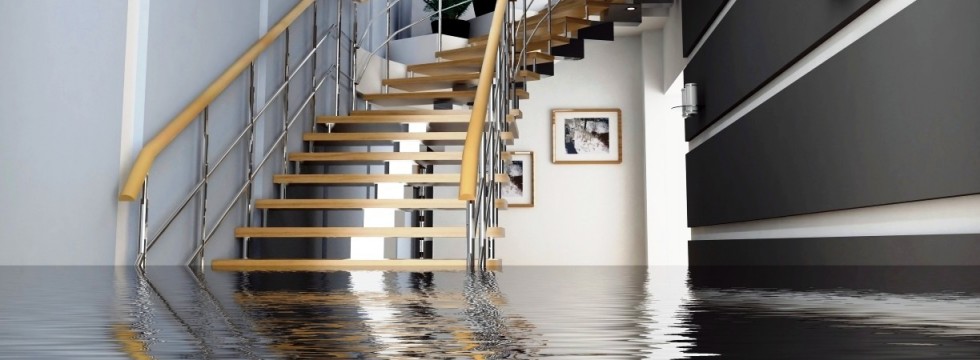
Severe storms and flooding can wreak havoc on homes in Virginia, leaving families and property owners facing significant challenges. The aftermath of a flood can be overwhelming, but timely and effective Virginia flood cleanup is crucial for protecting property, health, and long-term value. From removing standing water to restoring structural integrity, the process requires a combination of expertise, proper equipment, and careful planning.
Understanding the Impact of Flooding
Flooding in Virginia often results from heavy rainfall, hurricanes, or overflowing rivers. The immediate consequences include waterlogged floors, damaged walls, and destroyed furniture. However, the long-term effects can be just as damaging. Mold growth, weakened foundations, and compromised electrical systems can persist if floodwaters are not properly managed. Effective Virginia flood cleanup addresses both immediate water removal and preventive measures to avoid future damage.
Floodwaters carry contaminants that pose health risks. Sewage, chemicals, and debris can infiltrate homes, making professional cleanup essential. Attempting DIY flood restoration without proper tools or knowledge can lead to incomplete drying, structural damage, and hazardous living conditions. A thorough cleanup plan prioritizes safety, sanitation, and restoration.
Initial Steps in Virginia Flood Cleanup
The first phase of Virginia flood cleanup focuses on safety and damage assessment. Property owners must ensure electricity and gas are turned off before entering flood-affected areas. Wearing protective gear, including gloves and boots, helps prevent injury and contamination. Once it is safe to enter, evaluating the extent of damage is critical. This assessment guides the next steps, including water extraction, drying, and repair.
Removing standing water is a priority. High-powered pumps and wet vacuums are commonly used to eliminate excess water from basements, living spaces, and crawl spaces. The faster water is removed, the lower the risk of structural damage and mold growth. During this stage, affected areas are often segmented to prevent water from spreading and worsening the damage.
Drying and Dehumidification
After the bulk of the water is removed, drying and dehumidification are essential to prevent mold and mildew. Professional Virginia flood cleanup teams employ industrial-grade air movers and dehumidifiers to accelerate the drying process. Moisture sensors are used to identify hidden damp areas, such as behind walls or under floors, which could become breeding grounds for mold if left untreated.
Proper ventilation also plays a critical role. Opening windows and using fans can enhance airflow, while carefully monitoring humidity levels ensures that materials dry efficiently. In many cases, specialty equipment is needed to reach tight spaces and reduce the risk of lingering moisture that can cause long-term damage.
Cleaning and Sanitizing Affected Areas
Floodwaters often leave behind silt, debris, and bacteria. Thorough cleaning and sanitization are vital components of Virginia flood cleanup. All surfaces, including floors, walls, and furniture, must be washed with disinfectants to remove contaminants. Porous materials that have absorbed water, such as carpets or upholstery, may require deep cleaning or replacement to eliminate mold and bacteria completely.
Sanitizing not only restores a home’s appearance but also safeguards the health of its occupants. Specialized cleaning agents are used to neutralize odors, remove stains, and prevent the spread of pathogens. In severe cases, professional Virginia flood cleanup companies may apply antimicrobial treatments to reduce the risk of future contamination.
Structural Repairs and Restoration
Once cleaning and drying are complete, attention shifts to repairs and restoration. Flooding can weaken foundations, walls, and roofing structures. Skilled contractors assess damage and implement structural reinforcements where needed. This phase may include replacing drywall, flooring, or insulation, as well as addressing electrical and plumbing issues caused by water infiltration.
Restoration also involves returning a home to its pre-flood condition. This includes painting, installing new fixtures, and repairing any cosmetic damage. Professional Virginia flood cleanup ensures that repairs are thorough, using materials that can withstand future water exposure and maintaining the safety and value of the property.
Preventive Measures for Future Floods
An important aspect of Virginia flood cleanup is mitigating future flood risks. Homeowners can implement measures such as elevating appliances, sealing basements, and installing sump pumps to reduce vulnerability. Landscaping improvements, like proper grading and drainage systems, can also help divert water away from structures.
Professional cleanup services often provide consultations on flood preparedness. Understanding the local floodplain, staying informed about weather alerts, and developing an emergency response plan can minimize damage in future storms. Combining proactive measures with effective cleanup ensures homes remain safe and habitable long after a flood event.
The Role of Professional Services
While some minor water incidents can be managed by homeowners, major flooding requires professional expertise. Virginia flood cleanup companies have the experience, equipment, and knowledge to handle extensive water damage efficiently. Their services include water extraction, drying, cleaning, restoration, and preventive guidance, ensuring a comprehensive recovery process.
Professional intervention also accelerates the restoration timeline. Delays in cleanup can result in escalating damage, increased repair costs, and health hazards. Engaging experts early in the process maximizes recovery and minimizes long-term disruption to daily life.
Emotional and Financial Considerations
Flooding affects more than just physical property; it impacts families emotionally and financially. The stress of losing personal belongings and facing repair costs can be significant. Professional Virginia flood cleanup services alleviate some of this burden by providing structured, efficient, and reliable recovery solutions. Insurance companies often prefer documentation from certified restoration services, which can facilitate claim processing and ensure adequate compensation.
Conclusion
Severe storms and flooding pose serious challenges to homeowners in Virginia, but effective Virginia flood cleanup can restore homes, protect health, and prevent long-term damage. From immediate water removal and drying to cleaning, structural repair, and preventive planning, a comprehensive approach is essential. Engaging professional services ensures that every step is executed with precision and care, safeguarding both property and peace of mind. By addressing the immediate impact and implementing preventive measures, Virginia homeowners can recover more swiftly and prepare for future storm events with confidence.