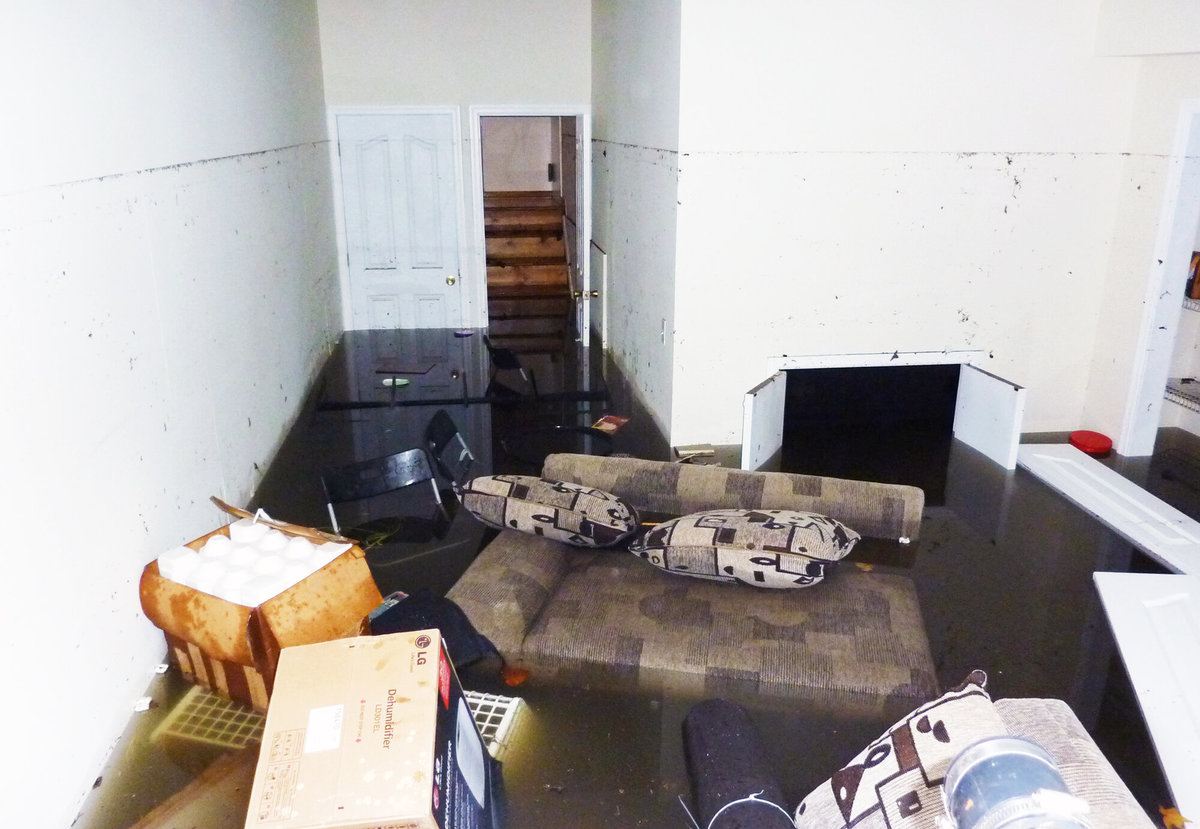
A sewage backup can be one of the most stressful and hazardous situations for any homeowner. Not only does it create a mess, but it also poses significant health risks due to the presence of bacteria, viruses, and harmful pathogens. Effective sewage cleanup is essential to prevent contamination, property damage, and long-term health issues. In this article, we’ll discuss the top techniques to handle sewage backups efficiently and safely.
Understanding the Risks of Sewage Backups
Before diving into cleanup techniques, it’s important to understand the dangers associated with a sewage backup. Sewage contains harmful microorganisms such as E. coli, Salmonella, and hepatitis A virus, which can cause severe illness. Additionally, prolonged exposure to standing water can lead to structural damage in floors, walls, and furniture. Ignoring proper sewage cleanup can also result in mold growth, creating further health hazards.
Recognizing the risks will help homeowners take necessary precautions and act quickly to minimize damage.
Immediate Safety Measures
The first step in any sewage cleanup is ensuring safety. Before entering the affected area, make sure to turn off electricity in flooded zones to prevent electrocution. Wear protective gear including gloves, boots, goggles, and masks to minimize direct contact with contaminated water. Avoid touching your face or ingesting anything from the contaminated area. It’s crucial to keep children and pets away from the affected space until it’s fully cleaned and sanitized.
Removing Standing Water
One of the primary steps in sewage cleanup is the removal of standing water. The longer water remains, the more damage it can cause. Use pumps, wet-dry vacuums, or buckets to remove as much water as possible. In severe cases, professional water extraction equipment may be necessary. While removing water, it’s important to dispose of it in accordance with local regulations, as contaminated water can harm the environment.
Disposing of Contaminated Materials
Sewage backups can ruin furniture, carpets, and other materials. In sewage cleanup, it’s essential to assess what can be salvaged and what must be discarded. Porous materials like carpets, upholstered furniture, and mattresses that have come in contact with sewage should be thrown away, as they are difficult to sanitize fully. Hard surfaces like tile or metal can usually be cleaned and disinfected effectively.
Thorough Cleaning and Scrubbing
Once standing water is removed and damaged items are discarded, the next step in sewage cleanup is thorough cleaning. Start by washing floors, walls, and surfaces with hot water and detergent to remove dirt and debris. Pay special attention to corners, crevices, and hidden areas where bacteria may accumulate. Scrubbing with brushes or sponges ensures that surfaces are free from grime and visible contamination.
Disinfection and Sanitization
Cleaning alone is not enough when dealing with a sewage backup. Proper sewage cleanup requires disinfection to eliminate harmful pathogens. Use EPA-registered disinfectants or a bleach solution (1 cup of bleach to 1 gallon of water) to sanitize all affected surfaces. Allow the solution to sit for at least 10 minutes before rinsing. Don’t forget to disinfect tools and equipment used during the cleanup to prevent cross-contamination.
Drying and Dehumidification
Moisture left behind after a sewage backup can lead to mold and mildew growth. Drying the area thoroughly is a critical step in sewage cleanup. Open windows, use fans, and employ dehumidifiers to remove residual moisture from floors, walls, and furniture. In larger-scale incidents, professional-grade air movers and dehumidifiers can accelerate drying and prevent secondary damage.
Addressing Mold Growth
Even with prompt cleanup, some areas may develop mold due to lingering moisture. Inspect walls, insulation, and flooring for signs of mold, such as discoloration or a musty odor. Mold remediation may require removing affected materials or applying antifungal treatments. Addressing mold promptly is essential for both structural integrity and health, making it a crucial part of any sewage cleanup process.
Ventilation and Air Quality Control
Sewage backups can leave behind strong odors and airborne contaminants. Proper ventilation helps improve air quality during sewage cleanup. Open doors and windows to allow fresh air circulation, and use air purifiers equipped with HEPA filters to remove airborne particles. This not only helps eliminate odors but also reduces the risk of respiratory issues caused by contaminated air.
Professional Assistance
While small sewage backups can sometimes be handled by homeowners, larger or more hazardous incidents require professional help. Professional cleanup services have specialized equipment, training, and expertise to handle severe contamination safely. Hiring experts ensures comprehensive sewage cleanup, reducing the risk of lingering pathogens, structural damage, and long-term health concerns.
Preventive Measures
After a sewage cleanup, taking preventive measures can help avoid future incidents. Regularly inspect plumbing systems for leaks or clogs, install backflow preventers, and maintain proper drainage around the property. Being proactive in home maintenance reduces the likelihood of a sewage backup, minimizing the need for extensive cleanup efforts in the future.
Conclusion
Effective sewage cleanup requires a combination of safety precautions, thorough cleaning, disinfection, and moisture control. Acting quickly after a backup can prevent serious health hazards and limit damage to property. While some tasks can be managed by homeowners, professional assistance is often necessary for large-scale contamination. By understanding the risks, employing proper techniques, and taking preventive measures, you can protect your home and health from the dangers of sewage backups. Proper sewage cleanup is not just about restoring a space—it’s about ensuring a safe and healthy living environment for you and your family.
This article provides a step-by-step guide to achieving a clean, safe, and sanitized home after a sewage backup. Following these techniques will save time, reduce stress, and protect both your property and well-being.