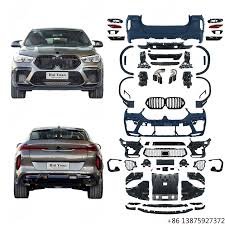
Car modification is an exciting way to improve the appearance, performance, and driving experience of your vehicle. However, choosing the right tuning parts components can be challenging, especially when there are countless options available. From exterior upgrades to performance enhancements, every modification should match your car, driving needs, and budget. Selecting high-quality tuning parts can make a major difference in both results and long-term reliability.
Whether you are a beginner or an experienced car enthusiast, understanding what to look for before purchasing aftermarket components is essential. This guide explains the key factors to consider when selecting the right upgrades for your vehicle.
Understand Your Modification Goals
Before buying any parts, decide what you want to achieve with your car. Different modifications serve different purposes, so having a clear goal will help you avoid unnecessary purchases.
Some owners focus mainly on appearance and want their vehicles to have a more aggressive or distinctive look. In this case, exterior upgrades such as bodykits, bumpers, grilles, spoilers, side skirts, and custom wheels may be suitable.
Others are interested in improving driving performance. Performance-focused modifications can include suspension components, exhaust systems, intake systems, brakes, and other mechanical upgrades.
You may also want a combination of appearance and performance improvements. Creating a plan before shopping helps ensure that every component works toward the same overall goal.
Know Your Car’s Specifications
One of the most important steps when selecting aftermarket components is understanding your vehicle’s specifications. Not every part fits every model, even when two vehicles look similar.
Check the exact make, model, year, engine type, trim level, and body style of your car. For wheels, you may also need to know details such as wheel diameter, width, bolt pattern, offset, and center bore.
For mechanical components, compatibility can depend on the specific engine or transmission configuration. Always compare the manufacturer’s specifications with your vehicle before ordering.
Choosing components specifically designed for your car can reduce installation problems and help ensure proper fitment.
Prioritize Quality and Materials
Price is important, but it should not be the only factor you consider. Low-quality aftermarket components may look attractive because of their lower price, but they can sometimes have poor fitment, weak construction, or reduced durability.
Pay attention to the materials used in the product. For example, body components can be manufactured from different types of plastics, fiberglass, carbon fiber, or composite materials. Each option can provide different levels of weight, flexibility, durability, and cost.
For performance components, quality materials are equally important. Parts exposed to heat, vibration, pressure, or constant movement should be designed to withstand those conditions.
Investing in reliable tuning parts can provide better long-term value than repeatedly replacing inexpensive components.
Check Fitment Carefully
Fitment is one of the biggest considerations when purchasing aftermarket car parts. A component may be advertised for a particular vehicle but still have different versions depending on the model year or trim.
Before purchasing, carefully review the fitment information provided by the manufacturer or seller. If possible, look for exact compatibility details rather than relying only on general descriptions.
For exterior parts, proper fitment helps create clean panel alignment and a professional appearance. For mechanical components, correct fitment is even more important because improper installation can affect vehicle operation and safety.
If you are unsure about compatibility, consult a qualified automotive professional before placing your order.
Consider Your Budget
Car modification can become expensive quickly, so establishing a realistic budget is essential. Instead of purchasing everything at once, prioritize the upgrades that matter most to you.
For example, you could begin with wheels and exterior styling before moving on to suspension or performance modifications. Creating a phased modification plan allows you to spread costs over time.
Remember to include installation expenses, maintenance requirements, and possible additional components in your budget. A part that appears affordable may require professional installation or supporting upgrades.
The cheapest option is not always the most economical choice. Consider the overall value, durability, fitment, and expected lifespan of the product.
Research the Manufacturer and Seller
Before buying any aftermarket component, spend some time researching the manufacturer and seller. Look for companies that provide clear product specifications, compatibility information, installation guidance, and customer support.
Customer reviews can also provide useful information about product quality and fitment. Pay attention to reviews that discuss installation, durability, finish, and real-world performance.
A reputable seller should make it easy to understand what you are purchasing. Clear photographs, detailed descriptions, fitment information, and return policies are all positive signs.
When shopping for tuning parts online, avoid making decisions based solely on attractive photographs or extremely low prices.
Think About Installation Requirements
Some modifications are relatively simple, while others require specialist tools and professional expertise. Before purchasing a component, determine whether you can install it yourself or whether you will need a qualified mechanic or body shop.
Exterior components may require drilling, adjustment, painting, or professional alignment. Suspension and brake upgrades require careful installation because they directly influence vehicle handling and safety.
Performance modifications may also require supporting components or ECU adjustments. Understanding installation requirements beforehand can help you avoid unexpected costs.
Consider Your Car’s Overall Style
When modifying the appearance of your vehicle, try to create a consistent design. Mixing too many different styles can make the car look unbalanced.
For example, if you install an aggressive bodykit, consider choosing wheels, spoilers, grilles, and other exterior details that complement the same design language.
Color and finish are also important. Gloss, matte, carbon-style, and painted finishes can create very different appearances.
A coordinated selection of tuning parts can give your car a more professional and complete look.
Don’t Ignore Safety and Reliability
Performance and appearance should never come at the expense of safety. When selecting modifications, consider how they may affect braking, steering, suspension, visibility, and overall vehicle stability.
For example, extremely large wheels or unsuitable suspension modifications can affect handling and ride quality. Poorly designed lighting or exterior components may also create visibility or safety concerns.
Choose products from reputable manufacturers and make sure modifications are installed correctly. After installation, inspect the components and check that everything functions as intended.
Check Local Regulations
Before installing aftermarket components, research the regulations that apply to your location. Certain modifications may be restricted depending on local laws.
Exhaust systems, lighting, window tint, wheel configurations, suspension height, and exterior dimensions can be subject to specific requirements. Understanding these rules before purchasing can prevent problems later.
If you are planning major modifications, confirm that the components are legal for road use in your area.
Plan Your Upgrades as a Complete Package
The best approach to car modification is to think about the vehicle as a complete system. Individual upgrades can affect other components, so planning ahead is important.
For example, changing suspension settings may influence wheel fitment and alignment. Increasing engine performance may require improvements to braking or cooling systems. Installing larger wheels may also affect tire selection and ride characteristics.
A well-planned modification project balances appearance, performance, comfort, reliability, and practicality.
Conclusion
Choosing the right tuning parts requires more than selecting products that look attractive. You need to consider your modification goals, vehicle specifications, product quality, fitment, budget, installation requirements, safety, and local regulations.
Take time to research each component before purchasing and choose products from reliable manufacturers and sellers. Whether your goal is to create a sportier appearance, improve performance, or build a completely customized vehicle, careful planning will help you achieve better results.