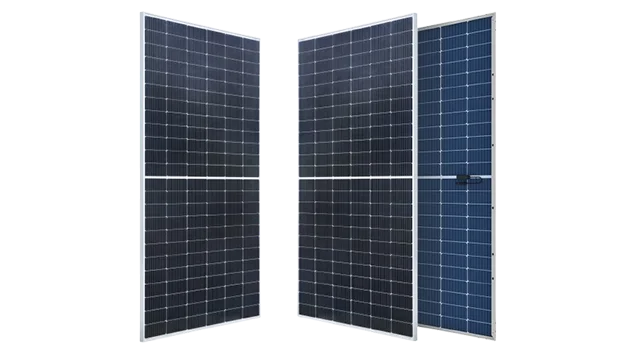
Choosing the right solar panel supplier is one of the most important decisions for businesses, solar installers, project developers, and TOPCon Solar Panels Manufacturer energy investors. As demand for high-efficiency renewable energy continues to grow, Tunnel Oxide Passivated Contact (TOPCon) technology has become an increasingly popular choice. However, selecting the right TOPCon Solar Panels Manufacturer requires more than comparing prices. Buyers should evaluate product quality, manufacturing capabilities, certifications, technical support, warranties, and long-term reliability.
A dependable manufacturer can help ensure that solar projects deliver consistent energy production and remain financially viable for many years. The following factors can help buyers identify a trustworthy TOPCon solar panel manufacturer.
Understand TOPCon Solar Technology
Before selecting a manufacturer, it is useful to understand what makes TOPCon panels different from conventional solar technologies. TOPCon uses a passivated contact structure that helps reduce energy losses and improve cell efficiency. This technology can provide strong performance, particularly when high energy output is a priority.
A manufacturer with extensive TOPCon experience should understand cell design, module construction, production processes, and performance optimization. Companies that have invested in modern TOPCon production lines are generally better positioned to deliver consistent products.
Ask manufacturers about their TOPCon technology, cell efficiency, module power ratings, temperature coefficients, degradation rates, and production capabilities. Clear technical information can help you compare different suppliers more effectively.
Evaluate Manufacturing Experience
Experience is an important indicator when choosing a TOPCon Solar Panels Manufacturer. Solar modules are long-term investments, so buyers should consider manufacturers with established production experience rather than focusing only on attractive pricing.
Look at how long the company has operated, how much manufacturing capacity it has, and whether it has experience supplying international markets. A manufacturer with a strong history may have better quality-control systems and a deeper understanding of different installation environments.
It is also helpful to review the company’s production facilities. Modern automated equipment, controlled manufacturing environments, and systematic quality inspections can contribute to more consistent module performance.
Check Product Certifications
Certifications provide valuable evidence that solar panels have been tested according to recognized industry standards. Before placing an order, ask the manufacturer for relevant certifications and testing documentation.
Depending on the target market, important certifications may include IEC standards and other regional or international requirements. Certifications can cover areas such as electrical safety, module durability, environmental resistance, and overall product performance.
Do not simply rely on certification logos displayed on a website. Request documentation when necessary and verify that certifications apply to the specific solar panel models being purchased.
Examine Panel Efficiency and Performance
Efficiency is another major consideration when comparing manufacturers. Higher-efficiency panels can generate more electricity from a limited installation area, which may be particularly valuable for commercial rooftops and projects where available space is restricted.
However, efficiency should not be the only factor. Buyers should also examine power output, temperature coefficient, low-light performance, degradation rate, and mechanical load ratings.
A reliable manufacturer should provide detailed technical datasheets for its TOPCon modules. These documents allow buyers to compare products using measurable specifications instead of relying only on marketing claims.
Investigate Quality Control
Strong quality control is essential for solar modules because panels are expected to operate outdoors for decades. Manufacturing defects can reduce energy production and create maintenance problems over time.
Ask the manufacturer about its quality-control procedures at different production stages. These may include incoming material inspections, cell testing, electroluminescence testing, visual inspections, electrical performance testing, and final module inspections.
A professional TOPCon Solar Panels Manufacturer should be able to explain how it identifies defective cells, soldering problems, microcracks, and other potential issues before products leave the factory.
Review Warranty Terms
Solar panels represent a long-term investment, so warranty coverage should be carefully reviewed before making a purchase. Manufacturers commonly provide product warranties and performance warranties, but the exact terms can vary considerably.
Read the warranty documentation rather than relying on general statements such as “long-term warranty.” Check the warranty period, degradation guarantees, covered defects, exclusions, claim procedures, and responsibilities of the manufacturer.
Also consider the company’s financial stability and operational history. A warranty is only valuable if the manufacturer remains capable of supporting customers when claims arise.
Consider Manufacturing Capacity and Delivery
For large solar projects, production capacity and delivery reliability can be just as important as technical specifications. A manufacturer may offer excellent panels but still be unsuitable if it cannot meet your required quantities or delivery schedule.
Ask about monthly production capacity, inventory availability, lead times, and shipping arrangements. Established manufacturers should be able to provide realistic delivery estimates and communicate clearly about potential delays.
For large orders, buyers may also want to discuss production scheduling and quality inspections before shipment. Clear communication can reduce project delays and unexpected costs.
Assess Technical Support
Good technical support can make a significant difference throughout a solar project’s lifecycle. Customers may need assistance with module specifications, installation requirements, system design, product documentation, or warranty claims.
Choose a manufacturer that has knowledgeable technical staff and responsive communication channels. International customers should also consider whether the company can provide support in their region and time zone.
A supplier that communicates clearly before the sale is often easier to work with after the order is completed.
Compare Pricing Carefully
Price is naturally an important consideration, but the cheapest solar panel is not necessarily the most economical option. A low purchase price may be offset by lower efficiency, weaker warranties, inconsistent quality, or higher long-term maintenance costs.
Instead of comparing only the price per panel, consider the total value of the product. Examine efficiency, expected energy generation, warranty protection, degradation, durability, shipping expenses, and service support.
A reliable TOPCon Solar Panels Manufacturer should provide transparent pricing and clearly explain what is included in the quotation.
Research Customer Reviews and Reputation
Researching a manufacturer’s reputation can provide additional insight into its reliability. Look for customer feedback, project references, industry recognition, and evidence of successful installations.
If possible, request references from previous customers with projects similar to yours. Their experience can reveal how the manufacturer handles product quality, delivery schedules, technical questions, and warranty issues.
Be cautious about relying exclusively on testimonials published on a manufacturer’s own website. Independent industry sources and customer experiences can provide a more balanced perspective.
Ask About Long-Term Product Reliability
Solar panels must withstand heat, humidity, rain, wind, dust, and temperature changes. Therefore, long-term durability should be a key part of the selection process.
Ask whether the manufacturer conducts reliability testing for environmental and mechanical stresses. Information about thermal cycling, humidity-freeze testing, damp heat testing, mechanical load testing, and other reliability evaluations can help buyers understand product durability.
For projects located in challenging climates, it is especially important to select panels designed for the local environmental conditions.
Choose a Manufacturer With Strong Communication
Communication is often overlooked during supplier selection, but it can strongly affect the success of a project. A dependable manufacturer should respond to questions clearly, provide accurate documents, and keep customers informed about production and shipping.
Before placing a large order, evaluate how quickly the company answers technical and commercial questions. Poor communication during the sales process can become a larger problem later if issues occur.
Make a Decision Based on Overall Value
Choosing a reliable TOPCon Solar Panels Manufacturer should involve a complete evaluation rather than a single factor. Manufacturing experience, product efficiency, certifications, quality control, warranty protection, production capacity, technical support, reputation, and pricing should all be considered together.
The right manufacturer should be able to demonstrate consistent product quality and provide dependable support throughout the project’s lifecycle. By conducting thorough research and asking detailed questions before purchasing, buyers can reduce risks and make more confident solar investment decisions.
TOPCon technology offers strong potential for efficient and reliable solar energy generation. Selecting an experienced and trustworthy manufacturer ensures that the benefits of this technology can be realized over the long term while supporting better project performance and greater return on investment.