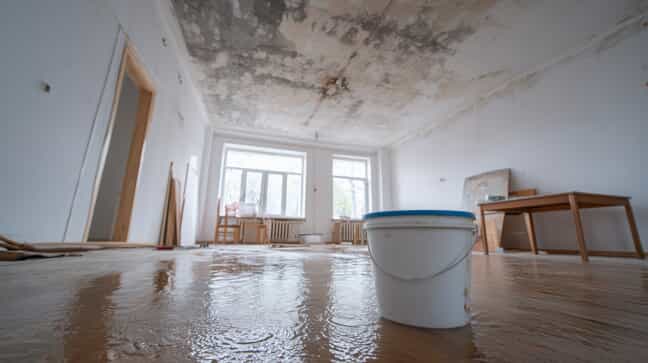
Experiencing home water damage can be overwhelming and stressful. Whether it is a burst pipe, a leaking appliance, or a sudden rainstorm, the effects of water intrusion can escalate quickly. Taking immediate action is crucial to minimize damage and prevent long-term issues such as mold growth, structural weakening, and costly repairs. This guide outlines practical steps homeowners should follow after discovering a leak to protect their property and health.
Assess the Situation Carefully
The first step after noticing home water damage is to assess the severity of the situation. Safety should be your top priority. Avoid entering areas where water is in contact with electrical outlets or appliances, as this poses a significant risk of electrocution. If the water level is substantial, consider turning off the main power supply to your home before proceeding.
Next, identify the source of the leak. Common causes include burst pipes, overflowing sinks or toilets, malfunctioning appliances like washing machines or dishwashers, and roof leaks. Determining the origin will help you decide on the immediate measures to contain the water and prevent further damage. Documenting the damage with photos or videos can also be useful for insurance claims related to home water damage.
Stop the Water Flow
Once it is safe, stopping the water source is essential to limit home water damage. For plumbing issues, turn off the main water valve. For appliance leaks, disconnect the appliance and shut off its water supply. If the leak is from the roof or external sources, try to contain the water with buckets, towels, or temporary covers. The faster you control the water flow, the less extensive the damage will be.
Remove Standing Water
Standing water can quickly lead to further home water damage, affecting floors, walls, and furniture. Use a mop, towels, or a wet/dry vacuum to remove as much water as possible. If the leak has caused flooding in basements or larger areas, you may need to rent professional water removal equipment or hire a water damage restoration company. Prompt water extraction is critical in preventing structural deterioration and mold growth.
Protect Your Belongings
After stopping the leak and removing standing water, focus on salvaging your belongings. Move furniture, electronics, and important documents to a dry area. If items are wet, gently dry them with towels and place them in a well-ventilated space. Consider using fans or dehumidifiers to accelerate drying. For irreplaceable items like photographs or documents, specialized restoration services may be necessary to prevent permanent damage. Acting quickly can often save sentimental or valuable items from irreversible home water damage.
Dry and Dehumidify the Area
Even after removing visible water, moisture can linger in walls, floors, and carpets. Use fans, heaters, and dehumidifiers to thoroughly dry the affected areas. Open windows if weather permits to improve air circulation. Ensuring complete drying is a critical step in mitigating the risk of mold and mildew, which thrive in damp environments and can exacerbate health problems and home water damage.
Inspect for Hidden Damage
Home water damage is not always obvious. After initial cleanup, inspect hidden areas like behind walls, under flooring, and inside cabinets for signs of moisture. Look for discoloration, warping, or musty odors that indicate lingering water damage. Mold can begin to grow within 24–48 hours if moisture remains. Early detection allows for timely repairs and professional remediation, minimizing long-term damage.
Document and Report for Insurance
Water damage often involves insurance claims. Documenting the incident, including the source of the leak, the extent of home water damage, and any repairs or cleanup performed, is essential. Contact your homeowners’ insurance company promptly to report the incident and provide all necessary documentation. Understanding your policy coverage for water damage can help streamline the claims process and ensure you receive the financial support needed for restoration.
Consider Professional Restoration Services
Depending on the severity of home water damage, professional restoration services may be necessary. Certified water damage restoration companies have the expertise and equipment to handle flooding, drying, mold remediation, and structural repairs efficiently. Hiring professionals ensures that hidden damage is addressed, reducing the risk of future problems. Additionally, professionals can advise on preventive measures to minimize the likelihood of recurring water damage in your home.
Prevent Future Water Damage
After addressing immediate water damage, it’s important to take steps to prevent future incidents. Regularly inspect plumbing systems, appliances, and roofing for signs of wear or leaks. Install water detection devices near appliances and in basements to alert you early to leaks. Maintaining gutters, downspouts, and drainage systems can also prevent water intrusion from rain or storms. Taking preventive measures not only protects your home but also reduces potential costs associated with future home water damage.
Maintain a Quick Response Plan
Being prepared for home water damage can significantly reduce its impact. Create a response plan that includes knowing the location of your main water shut-off valve, having basic cleanup supplies ready, and establishing contact with professional restoration services. Training household members on what to do in case of a leak ensures a swift response, minimizing both property damage and personal risk.
Conclusion
Home water damage requires immediate attention to limit its destructive effects. By assessing the situation, stopping the water source, removing standing water, protecting belongings, drying affected areas, inspecting for hidden damage, documenting for insurance, and considering professional restoration services, homeowners can effectively manage the aftermath of a leak. Implementing preventive measures and maintaining a quick response plan helps safeguard your home against future incidents. Prompt and decisive action not only preserves your property but also provides peace of mind in the face of unexpected water emergencies.