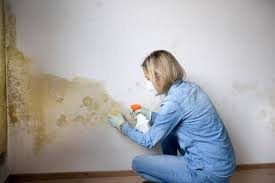
Black mold is more than just an unsightly nuisance; it poses serious health risks and can cause significant structural damage if left untreated. Many homeowners and businesses underestimate the danger of black mold, often attempting to remove it themselves. However, professional black mold contractors emphasize that proper removal requires expertise, specialized equipment, and strict safety protocols. In this article, we explore the most effective black mold removal techniques as revealed by experienced black mold contractors.
Understanding the Risks of Black Mold
Black mold, or Stachybotrys chartarum, thrives in damp, humid environments and can grow on walls, ceilings, and even inside HVAC systems. Exposure to black mold can lead to a range of health issues, including respiratory problems, skin irritation, headaches, and chronic fatigue. For individuals with pre-existing conditions like asthma or weakened immune systems, the effects can be even more severe. Black mold contractors stress that early detection and professional remediation are essential to prevent long-term health and structural consequences.
Why Professional Black Mold Contractors Are Essential
While there are many DIY guides online, black mold contractors caution against attempting removal without proper training. Black mold spores are microscopic and can easily become airborne during cleaning, spreading contamination to other areas. Professional black mold contractors are trained to identify the extent of contamination, contain affected areas, and apply safe removal methods. They use personal protective equipment (PPE), such as respirators and gloves, and specialized tools to minimize risk to occupants and property.
Inspection and Assessment
The first step in any effective mold removal process is a thorough inspection. Black mold contractors begin by identifying the source of moisture that allows mold to thrive. This often involves checking for hidden leaks in plumbing, roof damage, or high humidity areas. Advanced tools like moisture meters, infrared cameras, and air quality testers help contractors detect mold even in concealed spaces. Accurate assessment ensures that removal efforts target all contaminated areas, preventing mold from returning.
Containment and Safety Measures
Once the affected areas are identified, black mold contractors implement strict containment procedures. This prevents spores from spreading to clean parts of the property. Common containment methods include sealing off rooms with plastic sheeting, using negative air pressure machines, and establishing decontamination zones for workers and equipment. Proper containment is critical for both the safety of the occupants and the effectiveness of the removal process.
Physical Removal of Mold
Black mold contractors often rely on physical removal as the most effective technique. This involves scrubbing mold off non-porous surfaces with specialized cleaning solutions and tools. Porous materials, such as drywall, carpets, or insulation, may be removed entirely and replaced if heavily contaminated. The key is to remove the mold rather than simply mask it, as residual spores can cause regrowth and continued health risks. Contractors emphasize that physical removal combined with thorough cleaning ensures a long-term solution.
Use of Antimicrobial Treatments
After physical removal, black mold contractors typically apply antimicrobial or antifungal treatments to the affected areas. These solutions kill any remaining spores and prevent future growth. The choice of treatment depends on the surface type and the level of contamination. Contractors carefully follow product guidelines to ensure safety for humans and pets while effectively neutralizing mold threats. This step is crucial in achieving a mold-free environment and reducing the risk of recurrence.
Drying and Moisture Control
One of the most important lessons black mold contractors share is that mold cannot survive without moisture. After cleaning, affected areas must be thoroughly dried to prevent regrowth. Contractors use industrial-grade dehumidifiers, fans, and ventilation systems to remove excess moisture from walls, floors, and air. Additionally, addressing the root cause of dampness—such as leaks, poor ventilation, or water damage—is critical. Without proper moisture control, even the most thorough mold removal efforts can fail.
Air Filtration and Purification
Airborne mold spores can linger long after physical cleaning. Black mold contractors recommend using HEPA air scrubbers and filters to remove microscopic spores from the air. These devices trap spores, allergens, and other contaminants, improving indoor air quality and reducing health risks. Regular air filtration, combined with ongoing monitoring, helps ensure that the environment remains safe for occupants.
Post-Removal Inspection and Verification
After completing the removal process, black mold contractors conduct a final inspection to verify that the mold has been fully eliminated. This may include air and surface testing to detect any residual spores. Verification ensures peace of mind for property owners and confirms that the remediation meets industry standards. Professional contractors often provide documentation of the process, which can be valuable for insurance claims or future property sales.
Preventative Measures and Maintenance
Professional black mold contractors stress that prevention is better than remediation. Simple steps like controlling indoor humidity, fixing leaks promptly, and ensuring proper ventilation can significantly reduce the risk of mold growth. Regular inspections and maintenance also help identify potential problems early, minimizing the likelihood of costly and hazardous infestations. Contractors may offer ongoing maintenance plans to ensure properties remain mold-free over time.
Choosing the Right Black Mold Contractors
Selecting the right black mold contractors is critical to ensuring safe and effective removal. Look for licensed and certified professionals with experience in residential and commercial mold remediation. Reputable contractors provide clear estimates, follow industry best practices, and prioritize safety. Reading reviews, checking references, and confirming certifications can help property owners make informed decisions. Trusting experienced black mold contractors ensures that mold problems are addressed comprehensively and responsibly.
Conclusion
Black mold is a serious issue that requires professional attention. By following the techniques revealed by black mold contractors—including inspection, containment, physical removal, antimicrobial treatments, moisture control, and post-removal verification—property owners can eliminate mold effectively and safeguard health. Prevention, ongoing maintenance, and choosing experienced black mold contractors remain the most reliable strategies for keeping homes and businesses mold-free. Investing in professional remediation not only protects property value but also ensures a safe living and working environment for all occupants.