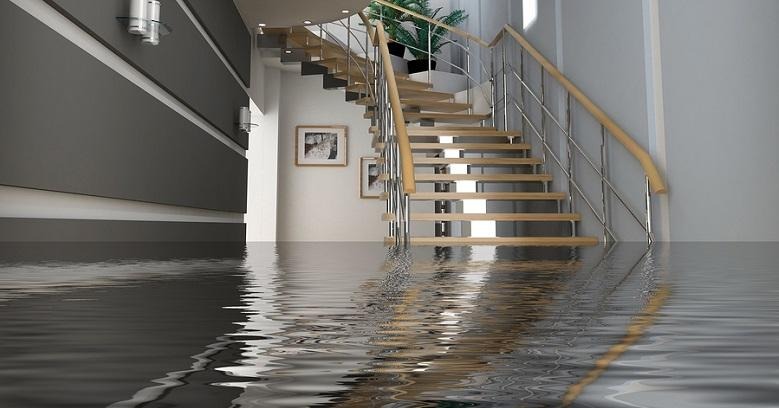
Floods can be devastating, causing significant damage to homes, personal property, and cherished belongings. Whether due to heavy rains, burst pipes, or natural disasters, water intrusion can leave flood damage cleanup up service basements, walls, and furniture vulnerable to long-term problems like mold growth, structural damage, and foul odors. A professional flood damage cleanup service is essential to restore your property quickly and safely. This article explores how these services help mitigate flood damage, the processes involved, and why timely intervention is critical.
Understanding Flood Damage in Homes
Flooding in residential properties often affects multiple areas, with basements being the most susceptible. Basements are prone to water accumulation due to their below-ground location, poor drainage, or cracks in the foundation. Prolonged water exposure can weaken walls, ruin flooring, and damage stored items. Similarly, water can seep into walls and furniture, causing stains, warping, and mold growth. The longer floodwaters remain, the higher the risk of permanent damage. Professional flood damage cleanup service focuses on removing water, drying affected areas, and restoring the property to its pre-flood condition.
Why Immediate Cleanup is Important
Timing is critical when dealing with flood damage. The longer water sits, the greater the chance of structural damage, electrical hazards, and microbial growth. Rapid response is essential to minimize these risks. A dedicated flood damage cleanup service provides 24/7 emergency response, ensuring water is extracted and drying equipment is deployed quickly. Immediate cleanup also helps salvage furniture and personal belongings, reducing replacement costs and preventing irreversible damage.
Assessment and Inspection
The first step in professional flood restoration involves a detailed assessment of the affected areas. Technicians inspect basements, walls, and furniture to determine the extent of water intrusion and damage. Moisture meters and infrared cameras may be used to identify hidden water pockets behind walls or under floors. This evaluation allows the team to develop a customized cleanup plan, ensuring all affected areas are addressed efficiently.
Water Extraction
Once the assessment is complete, the extraction process begins. High-powered pumps and wet vacuums are employed to remove standing water from basements and other flooded areas. Waterlogged furniture is carefully moved and treated to prevent further damage. Swift water removal is crucial to prevent structural weakening and inhibit mold growth. A professional flood damage cleanup service ensures this stage is done safely and efficiently, reducing long-term repair needs.
Drying and Dehumidification
After extraction, thorough drying is essential. Industrial-grade dehumidifiers and air movers are strategically placed to circulate air and remove residual moisture from walls, flooring, and furniture. This step may take several days depending on the severity of the flood. Proper drying prevents mold development and restores structural integrity. Professionals monitor moisture levels throughout the drying process to ensure that all affected areas are fully dried before proceeding with repairs or restoration.
Mold Prevention and Remediation
Floodwaters often carry bacteria, contaminants, and spores that can lead to mold growth if not properly addressed. Walls and furniture exposed to water are particularly susceptible. A professional flood damage cleanup service applies antimicrobial treatments and cleans surfaces thoroughly to prevent mold infestations. In cases where mold has already started to develop, specialized remediation techniques are used to remove it safely, protecting both the property and its occupants.
Furniture Restoration
Water-damaged furniture can often be salvaged with professional care. Upholstered items are cleaned using specialized equipment that extracts water and dirt while preserving fabric integrity. Wooden furniture may require controlled drying to prevent warping or cracking. Leather furniture is treated to restore texture and appearance. Hiring a flood damage cleanup service ensures that furniture restoration is performed with expertise, significantly increasing the chances of saving valuable items.
Wall and Structural Repair
Flooding can compromise walls and structural components of a home. Wet drywall, insulation, and paneling may need replacement if they cannot be fully dried. Professionals handle demolition, replacement, and refinishing to restore walls to their original condition. Structural damage, such as weakened foundations or warped beams, is also assessed and repaired as needed. Engaging a flood damage cleanup service ensures that repairs are done correctly, maintaining home safety and value.
Safe Disposal of Contaminated Materials
Floodwaters can introduce contaminants like sewage, chemicals, or debris into the home environment. Proper disposal of affected materials is crucial to prevent health risks. Cleanup professionals follow local regulations and safety guidelines when removing contaminated items. This careful approach safeguards homeowners and helps maintain a clean and healthy living space after flooding.
Insurance Assistance and Documentation
Professional cleanup services often assist with insurance claims. Technicians document damage, take photographs, and provide detailed reports of the cleanup process. This documentation helps homeowners navigate insurance claims more effectively, ensuring that restoration costs are covered and repairs are completed without unnecessary delays. A reliable flood damage cleanup service not only restores your home but also simplifies the financial recovery process.
Choosing the Right Service
Selecting a reputable flood damage cleanup service is crucial for effective restoration. Look for companies with experience in handling water damage in basements, walls, and furniture. Certifications from organizations such as the Institute of Inspection, Cleaning, and Restoration Certification (IICRC) indicate professionalism and adherence to industry standards. Additionally, choose services that offer emergency response, comprehensive restoration, and transparent pricing.
Preventive Measures for the Future
While flood damage is often unavoidable, preventive measures can reduce the severity of future incidents. Installing sump pumps, improving drainage systems, sealing basement cracks, and using water-resistant materials can help minimize water intrusion. Regular maintenance and inspections also play a key role in protecting your property. A professional flood damage cleanup service may provide guidance on these preventive strategies to enhance home resilience.
Conclusion
Flooding can be overwhelming, but professional cleanup services provide effective solutions for basements, walls, and furniture. From immediate water extraction and drying to mold prevention and furniture restoration, experts handle every stage of the process with precision. Timely intervention reduces long-term damage, protects your health, and saves money by salvaging valuable belongings. Choosing a certified flood damage cleanup service ensures that your home is restored safely, efficiently, and thoroughly, allowing you to regain peace of mind after a flood.
By understanding the importance of rapid response, proper assessment, and expert restoration techniques, homeowners can minimize the impact of flooding and protect their investment. Flood damage cleanup is not just about removing water; it’s about restoring comfort, safety, and normalcy to your home.