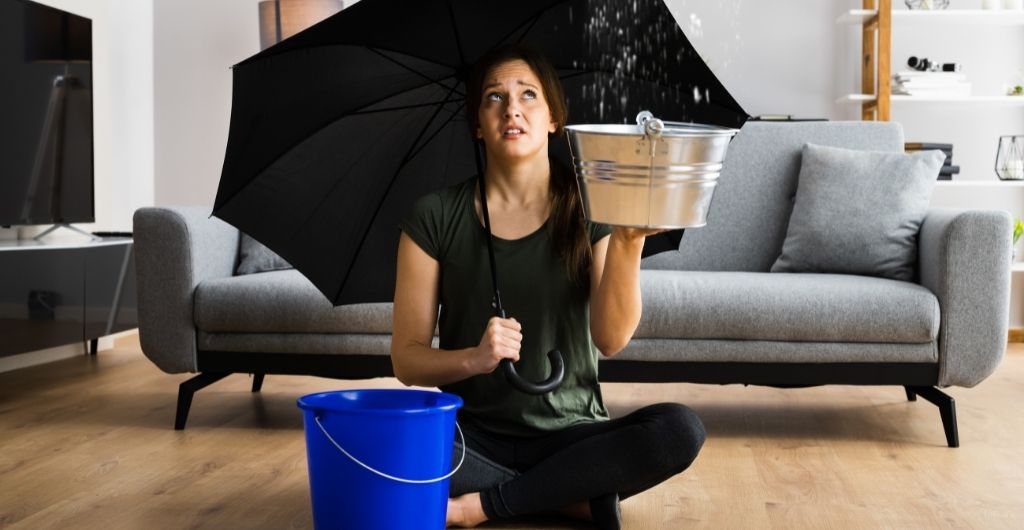
Water damage can strike unexpectedly, whether due to a burst pipe, flooding, or severe weather conditions. The aftermath often leaves homeowners stressed, dealing with property damage, mold growth, and structural issues. Hiring a professional water damage cleanup service ensures that every aspect of the restoration process is handled efficiently and effectively. This guide will provide a step-by-step overview of what homeowners can expect from a comprehensive water damage cleanup service.
Understanding the Scope of Water Damage
Before beginning any restoration, a professional water damage cleanup service evaluates the extent of the damage. This involves assessing affected areas, identifying the type of water involved, and determining potential risks. Water damage is often categorized into three types: clean water from sinks or rain, gray water from appliances or showers, and black water from sewage or floodwaters. Each category requires different safety measures and cleanup methods.
Evaluating the damage also helps in planning the restoration process. Professionals use advanced tools like moisture meters, infrared cameras, and hygrometers to detect hidden water pockets behind walls, under floors, or in ceilings. Identifying these areas early prevents long-term structural damage and mold development.
Immediate Response and Water Extraction
Time is crucial when dealing with water damage. The first priority of a water damage cleanup service is water removal. Using industrial-grade pumps and wet/dry vacuums, the team extracts standing water as quickly as possible. This step reduces the risk of furniture damage, warped floors, and ceiling collapse.
Water extraction is followed by drying the affected areas. Professionals employ high-velocity air movers, dehumidifiers, and fans to ensure that all moisture is removed. Proper drying is critical because even small amounts of lingering water can lead to mold growth and structural deterioration.
Removing Damaged Materials
Not all water-affected materials can be salvaged. A reputable water damage cleanup service carefully removes unsalvageable items, including wet insulation, carpet padding, and porous materials like drywall. This process may also involve cleaning or disposing of contaminated materials, especially in cases of gray or black water damage.
By removing these materials, the service creates a clean and safe environment for the restoration process. It also helps prevent lingering odors and reduces the chance of secondary damage caused by mold or bacterial growth.
Thorough Cleaning and Disinfection
Water damage often brings hidden contaminants that can compromise health. A professional water damage cleanup service conducts comprehensive cleaning and disinfection of affected areas. Using EPA-approved cleaning agents and antifungal solutions, the team sanitizes surfaces, structural components, and personal belongings that can be saved.
This step is vital for eliminating bacteria, viruses, and mold spores that thrive in damp environments. Proper cleaning not only restores the home’s safety but also prevents long-term health hazards such as respiratory issues or allergic reactions.
Drying and Dehumidification
Even after water extraction and initial cleaning, residual moisture can remain in walls, floors, and furniture. A professional water damage cleanup service ensures thorough drying using industrial-grade dehumidifiers and air movers. This step stabilizes humidity levels, protecting the property from further structural damage and mold proliferation.
Technicians continually monitor moisture levels throughout this process. Advanced moisture detection tools measure the progress and confirm when the property is completely dry. This level of monitoring ensures a thorough and professional restoration process.
Mold Remediation
Mold growth is one of the most common consequences of water damage. If left untreated, mold can spread quickly, damaging property and affecting indoor air quality. Many water damage cleanup service providers include mold assessment and remediation in their restoration process.
Mold remediation involves removing mold-affected materials, cleaning surfaces with specialized solutions, and preventing future growth through moisture control. Addressing mold early reduces the risk of extensive damage and expensive repairs.
Structural Repairs and Restoration
After drying, cleaning, and mold remediation, the next step is structural repair. A full-service water damage cleanup service can handle repairs such as replacing drywall, refinishing floors, repairing ceilings, and restoring furniture. The goal is to return the property to its pre-damage condition, both functionally and aesthetically.
Restoration may also include minor construction adjustments to prevent future water intrusion. For instance, sealing leaks, repairing roofing, or reinforcing basements can be part of the service, ensuring homeowners are protected from recurring water damage.
Insurance Assistance
Many homeowners are unsure how to navigate insurance claims after water damage. Experienced water damage cleanup service providers can help document the damage and provide detailed reports for insurance purposes. This documentation includes photographs, moisture readings, and descriptions of all affected areas.
Assistance with insurance claims speeds up the approval process and ensures homeowners receive appropriate coverage for restoration costs. Professional guidance reduces stress and confusion during an already challenging time.
Final Inspection and Customer Satisfaction
Once all restoration and repairs are complete, a professional water damage cleanup service conducts a final inspection. This step verifies that the property is fully restored, dry, and safe for occupancy. Any remaining issues are addressed before the project is considered complete.
Customer satisfaction is a priority. Reputable services often follow up after completion to ensure that homeowners are satisfied with the cleanup and restoration results. This ongoing support reinforces trust and reliability.
Preventative Tips for Homeowners
While a professional water damage cleanup service handles emergencies, homeowners can take preventative measures to reduce future risk. Regular maintenance of plumbing, inspecting basements and roofs, and installing sump pumps or water alarms can minimize damage from leaks or floods.
Prompt attention to minor water leaks, regular cleaning of gutters, and proper ventilation in humid areas also reduce the likelihood of significant water damage. Prevention combined with professional cleanup ensures long-term protection for the home.
Conclusion
Water damage can be overwhelming, but a professional water damage cleanup service provides a structured, step-by-step approach to restoration. From initial assessment and water extraction to cleaning, drying, mold remediation, and structural repair, every phase is designed to restore safety, functionality, and comfort.
Choosing a reliable service not only mitigates immediate damage but also protects against future risks, ensuring homeowners can recover with confidence and peace of mind.
A thorough water damage cleanup service is more than just removing water—it is a comprehensive process that safeguards your home, health, and investment.